Practical SEO Tips for Mumbai Small Businesses
Why the first 30 seconds on Google matters for a Bandra boutique
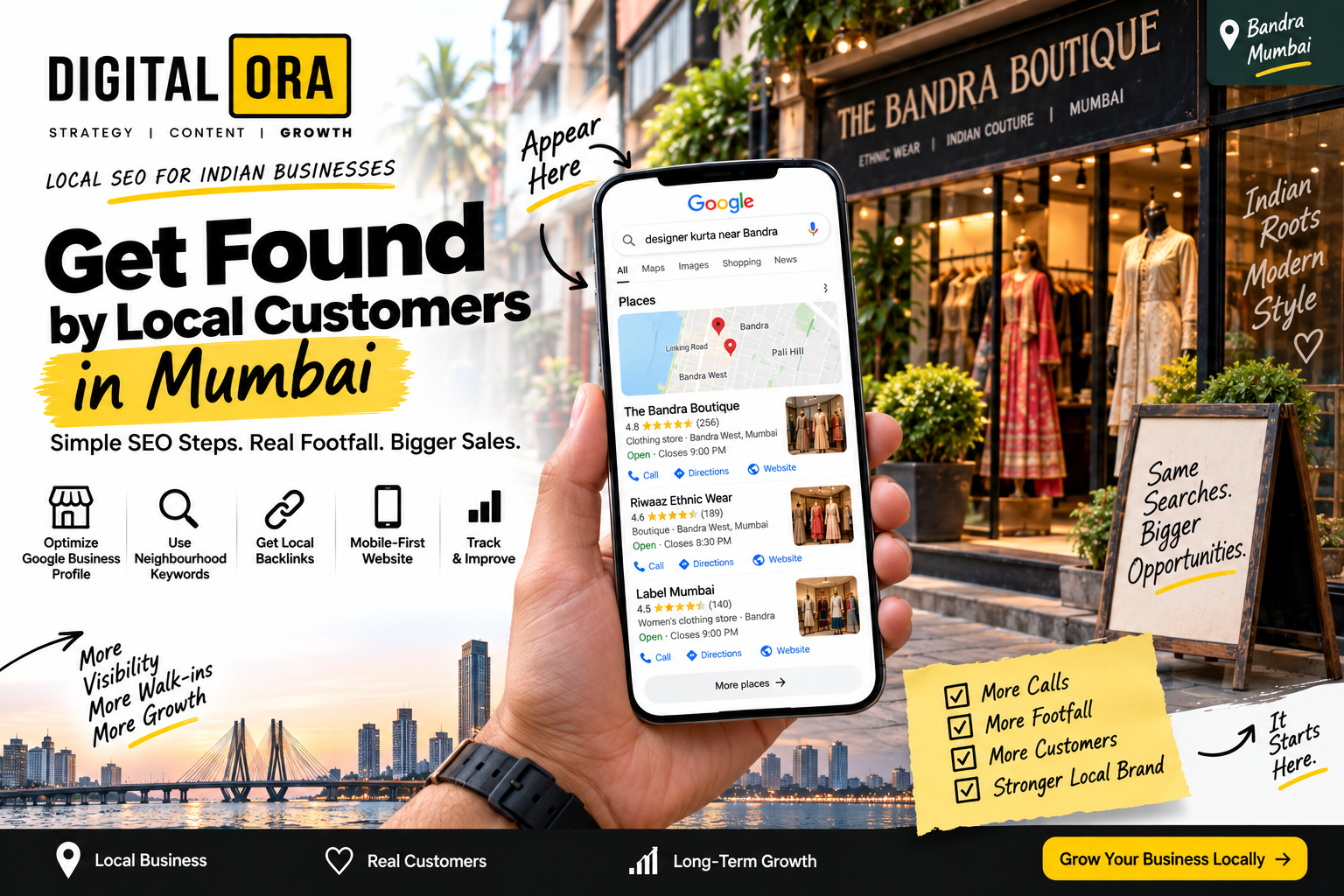
Imagine a tourist walks past your boutique on Linking Road, pulls out his phone, and types “designer kurta near Bandra”. If your shop isn’t on the first page, you lose that sale before the chai break. A friend once asked, “Do I really need SEO for a tiny shop?” The answer is yes, and it doesn’t have to cost a fortune.
Get your Google Business profile right
Claim, verify, and complete every field
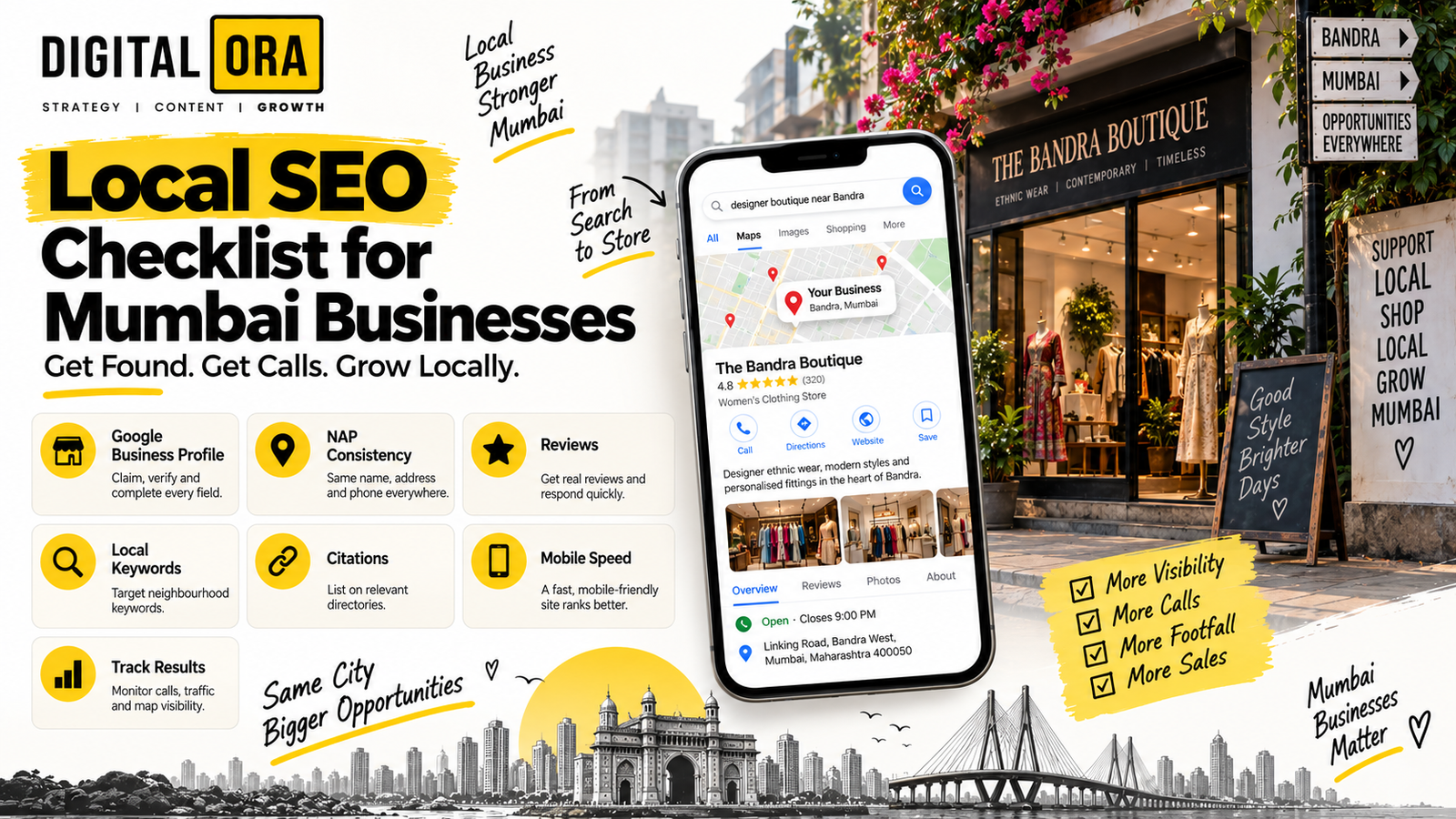
The first thing I ask any client—whether a Thane hardware store or a Andheri café—to do is claim the Google Business Profile (GBP). Verification usually takes 2‑3 days if you opt for the postcard method; the phone call shortcut works for most service‑area businesses. Fill out the description with the exact services you offer, include the neighbourhood name, and upload high‑resolution photos of the storefront and interior.
Consistency is king
One mistake I see daily is a mismatch between the name, address, and phone number (NAP) on the website, GBP and local directories. A hardware store I helped in Kalyan listed the phone as 022‑2470 1234 on the site but 022‑2470 5678 on GBP. Google treats them as two different entities, which dilutes the local signal. Use a spreadsheet to audit every citation and keep the format identical—include the 5‑digit pin code every time.
Target neighbourhood keywords, not generic ones
Think “Bandra saree shop” before “saree shop”
Generic terms are ultra‑competitive. A local keyword with a neighbourhood tag gives you a realistic chance to rank in 4‑6 weeks. For the boutique above, we optimized for “designer kurta Bandra” and “Bandra ethnic wear online”. Within eight weeks, organic traffic rose 42 % and footfall increased by roughly 15 % during the weekend sales.
Use the pin code in content
Including the local PIN (e.g., 400050 for Bandra West) in a heading or the first 100 words signals to Google that you serve that exact area. I once wrote a landing page for a Vashi pet store that mentioned 400705 three times naturally; the page jumped from page 12 to page 3 for “pet shop Vashi”.
Earn real backlinks from Mumbai sites
Partner with complementary businesses
Instead of buying cheap links, I arrange a swap with a nearby café that posts a blog about “best places to buy handmade jewellery after coffee”. They link to the jewellery store’s site, and the store links back to the café’s menu page. The relevance is obvious, and both see a modest boost in local rankings.
Leverage local media and events
When a small gym in Powai hosted a free yoga session, we sent a press release to Mumbai Mirror and the local ward office bulletin. The resulting article included a backlink and a citation of the address. The gym’s organic sessions grew from 30 to 80 per week in three months, without spending a single rupee on ads.
Mobile‑first basics that actually matter
Speed matters more than you think
A Bandra bakery’s site was loading in 6 seconds on mobile, and the bounce rate was 68 %. After compressing images (average size went from 1.2 MB to 300 KB) and enabling browser caching, load time dropped to 2.8 seconds and the bounce rate fell to 42 %. The upgrade cost about ₹5,000 for a freelancer, a one‑time expense that paid for itself in extra orders.
Clickable call‑to‑action
Make the phone number a tel: link and place a “Book Now” button above the fold. A small electronics repair shop in Chembur saw a 27 % lift in calls after adding a big orange button that opened the dialer directly.
Measure, tweak, repeat
Set up Google Search Console and Google Analytics
Both tools are free and give you insight into which queries bring traffic. In my experience, most small owners ignore the “Performance” report. For a Thane hardware store, the top query was “screwdriver set near me”. By creating a dedicated page for that term, the store jumped to the top three positions and saw a 30 % rise in enquiries within eight weeks.
Track local pack visibility
Use a simple rank‑tracker (even a spreadsheet with the “site:yourbusiness.com” search) to note where you appear in the local pack. If you drop, it’s often because a competitor added a fresh photo or updated their hours. React quickly—add a new picture or update your opening times.
Take one concrete step today
Pick the cheapest, fastest win: open your Google Business Profile (if you haven’t), verify it, and upload three fresh photos of your storefront. It takes less than an hour and starts sending signals to Google right away. The next day you’ll see a “pending verification” badge, and within a week you’ll begin to appear in local searches.
Related Reading
Grow Your Mumbai Business Online
Get a free ₹15,000 digital marketing audit.
No commitment. Results guaranteed.