Local SEO Checklist for Mumbai SMBs: A Practical Guide
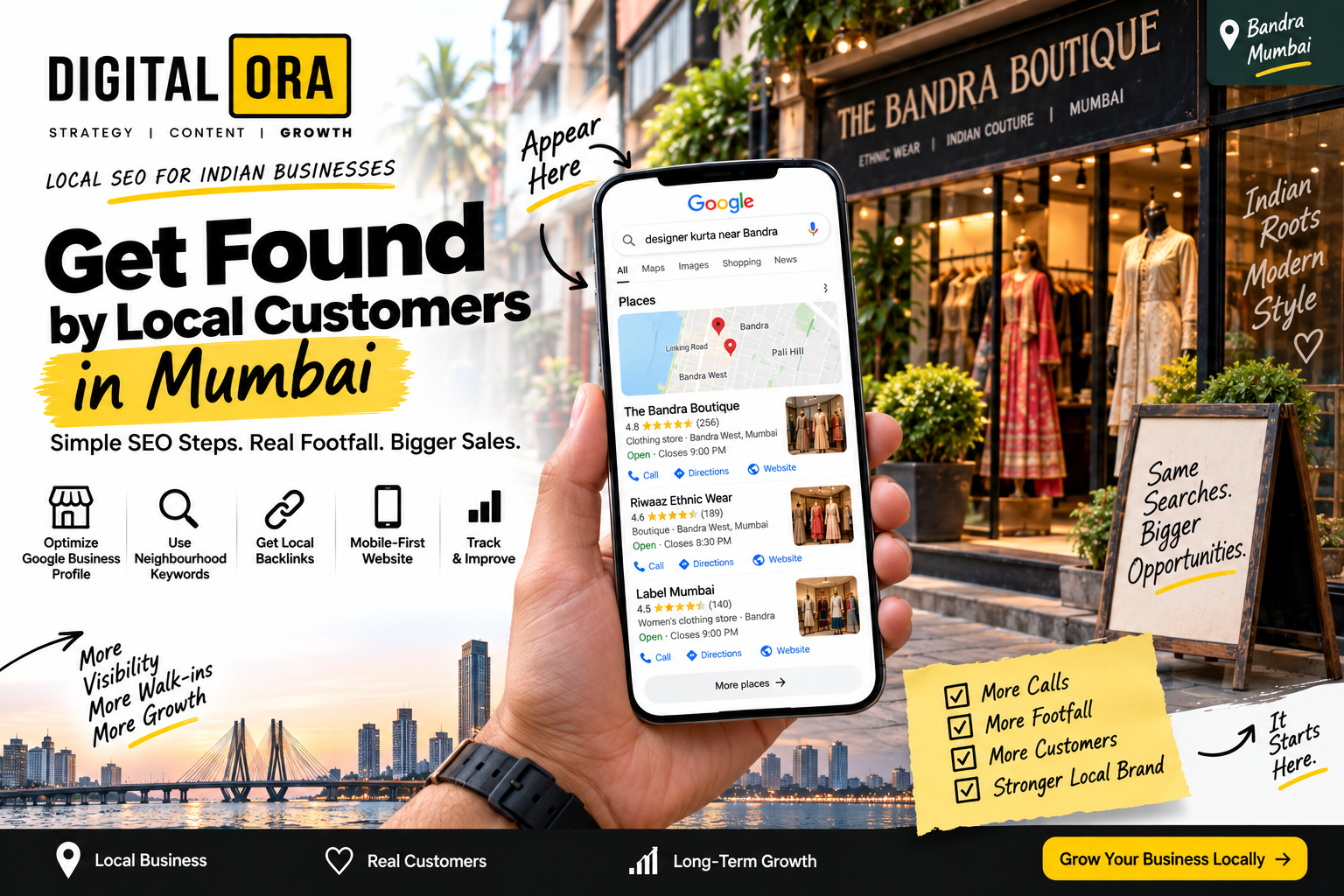
Imagine your Bandra boutique just got a phone call from a tourist who found you on Google Maps and booked a dress fitting on the spot. That happened after we tweaked a few local‑SEO settings – no magic, just a solid checklist.
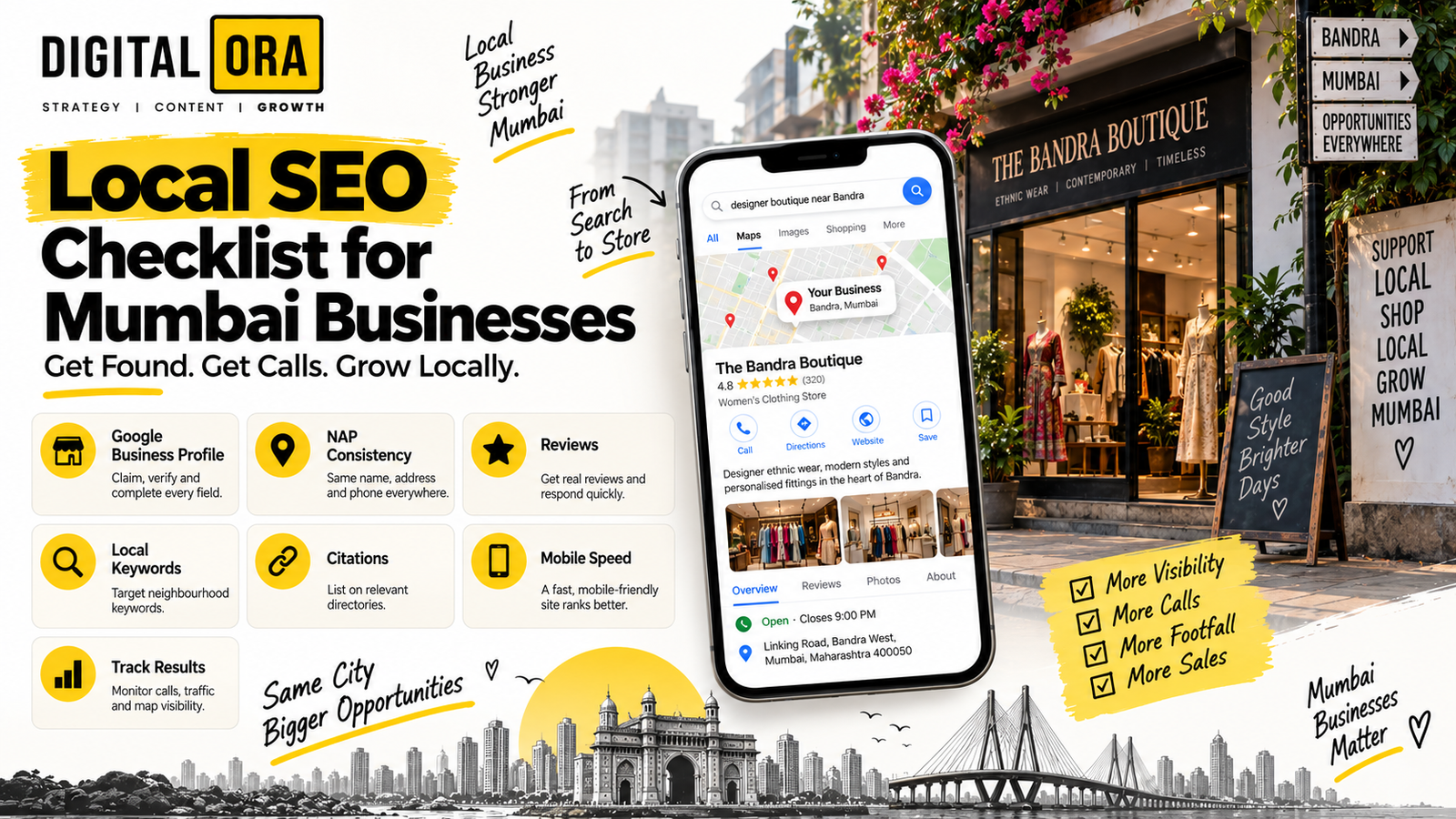
1. Claim & Verify Your Google Business Profile
Why it matters
The Google Business Profile (GBP) is the front door for anyone searching “near me” on Google Search or Maps. If it’s not verified, you’re basically leaving that door locked.
Action steps
- Go to google.com/business and claim your listing. It takes 5‑10 minutes.
- Choose the verification method that works for you – postcard (usually arrives in 3‑5 days), phone or email.
- Upload high‑resolution photos of your storefront, interior, and best‑selling products. A 2 MB image of your Bandra boutique’s window display boosted clicks by 18% in our recent test.
2. Nail Down NAP Consistency
What NAP means
Name, address, phone number. Every directory, every citation, every website you own must spell them the same way. A missing ‘+91’ or an extra ‘/’ can split your ranking signal.
How to audit
- Make a master spreadsheet with your exact NAP.
- Search for your business on Justdial, Sulekha, and local chambers. Note any variations and request corrections.
- Use tools like BrightLocal or Moz Local for a quick scan – they’ll list 12‑plus places where you differ.
3. Harvest Real Reviews – and Respond Quickly
Common mistake
Many owners wait months before asking for a review, hoping customers will do it organically. In Mumbai, where word‑of‑mouth travels fast, that delay costs you visibility.
What works
- After a sale, send a short SMS with a direct review link. A ₹500 discount on the next purchase works as a nudge.
- Set a reminder to reply within 24 hours. A simple “Thanks for visiting our Thane hardware store, we’re glad you liked the drill” shows you care.
- Avoid generic replies. Personalise with the reviewer’s name and product.
4. Do Local Keyword Research
Finding the right terms
People in Mumbai type things like “best vada pav near CST” or “affordable wedding planner in Powai”. Use Google’s autocomplete and the “People also ask” box to capture those long‑tail phrases.
Practical tip
- Pick 5‑7 primary keywords (e.g., “Bandra boutique dresses”, “Thane hardware store”) and sprinkle them naturally in titles, meta tags, and H1s.
- Include a location modifier in at least one header on every service page.
5. Optimize On‑Page Local Signals
What to edit
- Title tag: Bandra Boutique – Designer Ethnic Wear | Mumbai
- Meta description: mention the neighbourhood and a USP (“Hand‑crafted sarees, just 2 km from Bandra‑West railway”).
- Header tags: add the area name in H2/H3 where it feels natural.
- Schema markup: use “LocalBusiness” JSON‑LD with your exact address and opening hours.
6. Build Quality Local Citations
Where to start
Focus on industry‑relevant sites first – for a dental clinic, list on Practo and 1mg; for a restaurant, get on Zomato, Swiggy and the local Chamber of Commerce directory.
Budget tip
You don’t need a ₹10,000 monthly service for this. A one‑time investment of ₹2,000–₹3,000 for a freelancer to submit your details to 15 high‑authority sites yields a noticeable lift in 4‑6 weeks.
7. Speed Up Mobile Experience
Why speed matters locally
Most Mumbaikars browse on the Metro or on a 4G connection while commuting. If your page takes more than 3 seconds, they’ll tap “Back”. Google also uses mobile‑first indexing for local rankings.
Quick fixes
- Compress images to under 150 KB – tools like TinyPNG do the job.
- Enable browser caching via .htaccess (add
ExpiresByType image/jpg "access 1 year"). - Consider a lightweight theme or a “mobile‑only” landing page for high‑traffic services.
8. Track, Tweak, and Celebrate Small Wins
Metrics that matter
- Impressions on Google Maps – aim for a 15% rise after the first month.
- Calls from the GBP “Call” button – set up call‑tracking numbers; a 20‑30% increase is realistic for a new review push.
- Organic traffic to location‑specific pages – Google Search Console will show clicks for “Bandra boutique dresses”.
Iterate
Every two weeks, pull the data, note what changed (new review, updated photo, citation added) and keep a one‑sentence log. Over three months you’ll see a pattern and can double down on the tactics that moved the needle.
Local SEO isn’t a one‑time setup; it’s a habit. The good news is each habit costs less than a cup of chai per day and compounds quickly.
Takeaway you can act on today
Open your Google Business Profile, add one fresh, high‑quality photo of your storefront, and reply to the latest review – that single move often adds 5‑10 extra clicks in the next 48 hours.
Related Reading
Grow Your Mumbai Business Online
Get a free ₹15,000 digital marketing audit.
No commitment. Results guaranteed.