Social Media
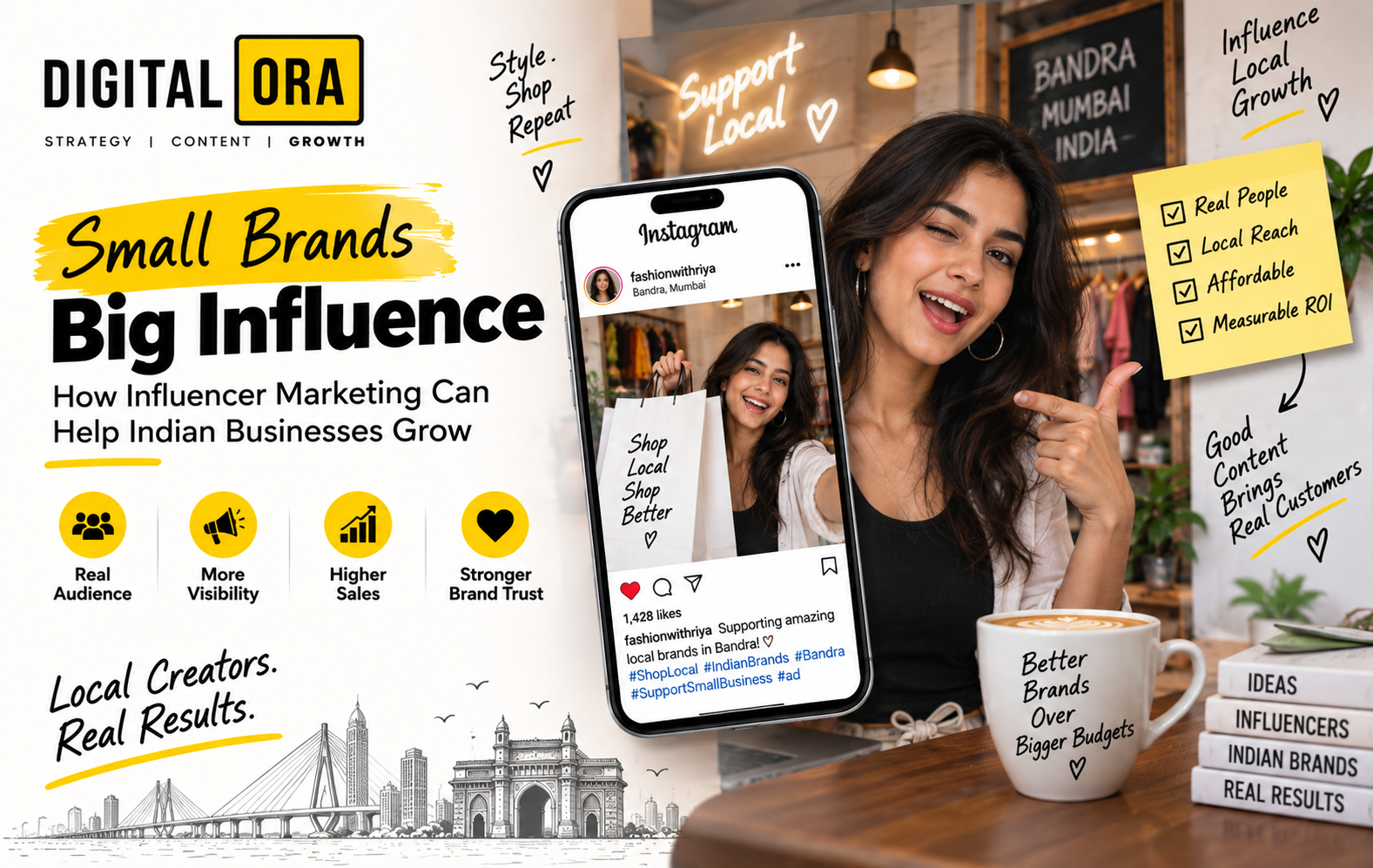
How Small Indian Brands Can Win with Influencer Marketing
Why the question keeps popping up over chai
"Can I really afford an Instagram star for my Bandra boutique?" That's the exact line I hear from owners who are juggling rent, inventory and a team of two. The answer is yes – if you treat influencer work like any other marketing spend, with clear goals and a tight spreadsheet.
Start small, think local
My first success story was a Thane hardware store that partnered with a micro‑influencer who posts DIY videos to 12,000 followers. The influencer charged ₹7,500 for a one‑off Reel showing the store’s new power drills. Within two weeks the store saw a 20% jump in foot traffic on Saturdays, and sales of drills rose from 5 units a week to 18.
What makes a micro‑influencer work for you
- Follower count between 5k‑25k – enough reach to matter, low enough cost to test.
- Engagement rate above 4% – real comments and likes, not just bots.
- Audience overlap – the influencer’s followers should live in your delivery zone or shop in your neighbourhood.
Budgeting without breaking the bank
For a small brand, I recommend allocating no more than 5% of your monthly marketing budget to influencer fees. If you spend ₹50,000 a month on ads, that’s ₹2,500‑₹3,000 per influencer. You can stretch a single ₹5,000 payment across a week‑long Instagram story series, a carousel post, and a short Reel. The key is to negotiate deliverables that match the price – a single post for ₹10,000 is rarely worth it unless the influencer guarantees a minimum reach.
Common budgeting mistake
Many owners think they need a celebrity with a million followers. They end up paying ₹1‑2 lakh for a single post that gets lost in a sea of content. The ROI is hard to measure and the cost is unsustainable. Instead, treat influencer marketing like a pilot program: test, measure, then scale.
Measuring the impact – beyond likes
Likes are vanity. I always ask my clients to set one concrete KPI before the campaign starts – for example, 30 coupon redemptions or 50 new email sign‑ups. Use a unique discount code (e.g., BANDO10) that the influencer shares. Track the code in your POS or e‑commerce platform. In a recent case, a Pune coffee roaster gave a local food blogger a ₹3,000 code and saw 120 redemptions in ten days, translating to ₹1.8 lakh in revenue.
Tools you can use right now
- Google Analytics UTM parameters – add ?utm_source=insta&utm_medium=story&utm_campaign=brandlaunch to the link.
- WhatsApp Business catalog – create a short link that leads directly to a product page.
- Simple spreadsheet – log each influencer, fee, date, and the code’s performance.
Choosing the right influencer
Don’t chase the highest follower count. Look for authenticity. I once helped a small Lakshmi Road jewellery store partner with a lifestyle vlogger who never mentioned brands before. Her audience trusts her recommendations because she only promotes items she actually uses. The partnership resulted in a 45% increase in Instagram DM enquiries within a month.
Red flags to watch out for
1. Inflated follower numbers – run a quick check: type "site:instagram.com @username" in Google and see how many real profiles link back. 2. Low engagement but high follower count – they might have bought followers. 3. Lack of past brand collaborations – a first‑time influencer may not know how to disclose sponsored content, risking legal trouble.
Legal and disclosure basics
India’s Advertising Standards Council requires clear disclosure. A simple "#ad" or "Sponsored by" at the start of the caption satisfies the rule. I’ve seen brands get pulled down by the platform for hidden promos, which wastes time and money.
Quick compliance checklist
- Ask the influencer to add #ad, #sponsored, or "Paid partnership".
- Ensure the brand name appears in the first line of the caption.
- Keep a copy of the signed agreement – even a one‑page email works.
Scaling up after the pilot
When the numbers add up – say you hit 25% more sales for a ₹10,000 spend – it’s safe to increase the budget. I recommend adding another micro‑influencer in a neighbouring suburb or moving to a nano‑influencer (2k‑5k followers) who can do weekly mentions. The cost per acquisition usually drops because the audience feels more personal.
When to consider macro influencers
If you have a seasonal launch and can afford a ₹1‑2 lakh one‑off post, go for it. But only after you’ve built a base of micro‑influencer data to prove the concept. Otherwise you’re throwing money at an untested channel.
Actionable next step for today
Open a spreadsheet, list three local influencers with 5k‑15k followers, and send each a DM proposing a ₹5,000 story swap for a discount code. Track the code’s usage. In a week you’ll see whether this tiny experiment is worth a bigger spend.
Related Reading
Share this article
Grow Your Mumbai Business Online
Get a free ₹15,000 digital marketing audit.
No commitment. Results guaranteed.