Digital Marketing
Festive Marketing Blueprint for Indian SMBs 2026
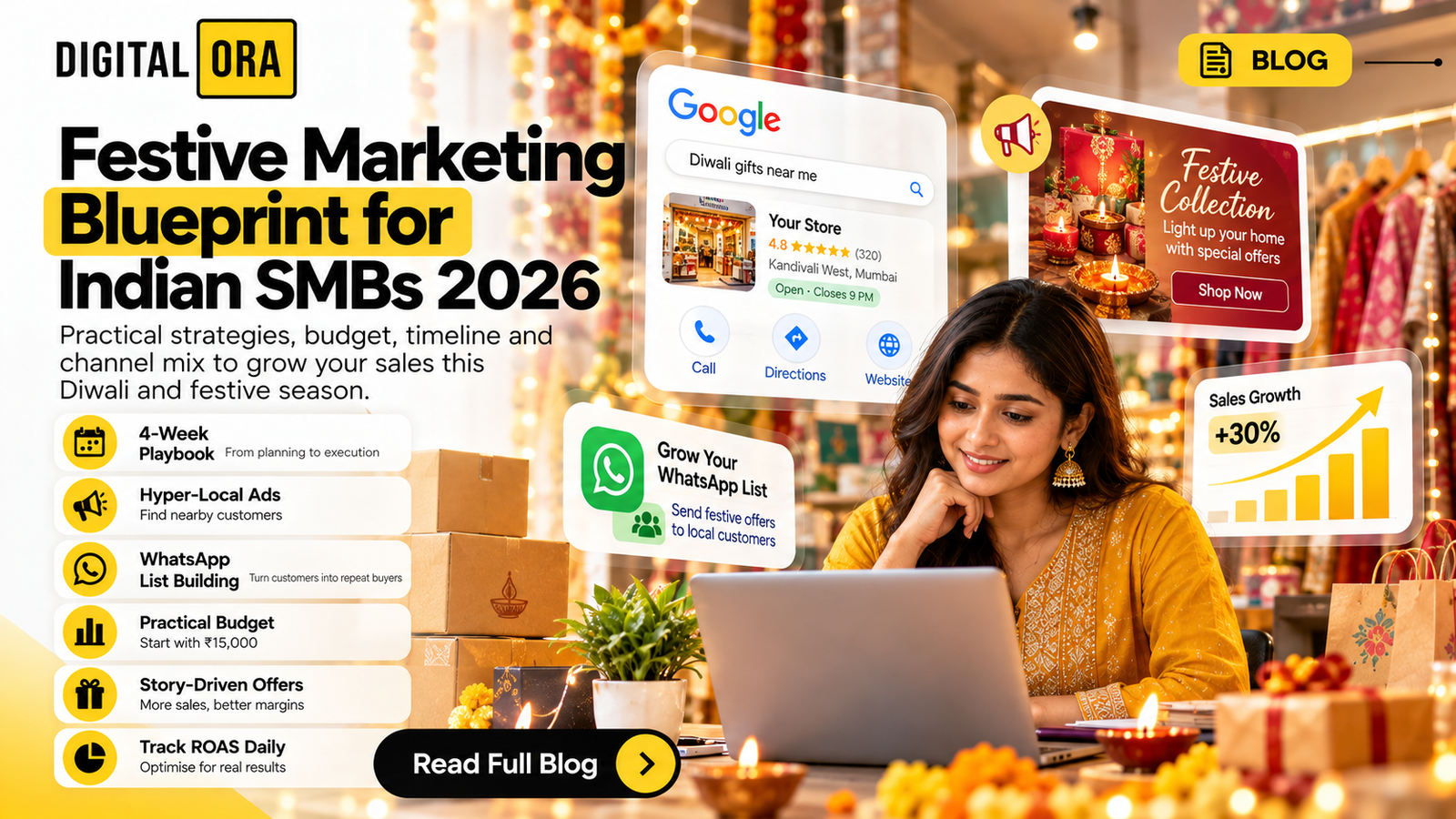
Quick answer: Start your festive push four weeks before Diwali, blend hyper‑local ads with WhatsApp list building, and spend about ₹15,000 on targeted Google Local campaigns. Use story‑driven offers rather than flat discounts, and track daily ROAS on the dashboard. Execute the first step today: collect 200 phone numbers from in‑store receipts and segment them by purchase history.
Why the 2026 Festive Window is Different
Last year a Bandra boutique that sells handcrafted kurtas saw a 28% lift in footfall simply by sending a personalised video teaser to its WhatsApp list on the eve of Navratri. The difference isn’t magic; it’s the fact that shoppers now expect a narrative, not just a coupon. With e‑commerce giants flooding the market, the small‑business advantage lies in local relevance and speed of execution.
Step‑by‑Step Timeline (4‑Week Playbook)
Week ‑4: Insight & Inventory
- Pull the last three months of sales data. Identify top‑selling SKUs and the price points that move fastest.
- Set a festive inventory target – for a Thane hardware store, a 20% increase in LED bulbs and festive décor items usually covers the demand spike.
- Allocate a test budget of ₹15,000 for Google Local ads and ₹5,000 for WhatsApp broadcast tools.
Week ‑3: Teaser & List‑building
- Run a 7‑day teaser on Instagram Stories, showing a behind‑the‑scenes glimpse of new arrivals. Use a simple call‑to‑action: “Reply ‘YES’ to get early‑bird pricing.”
- Collect the replies in a Google Sheet; you now have a warm list of people who have already expressed interest.
- Offer a small incentive – a free gift wrap for the first 50 respondents – to boost sign‑ups.
Week ‑2: Offer Crafting & Creative Production
- Design one core offer that tells a story. Example: "Light up your home with 30% off on LED bundles – because every family deserves a brighter Diwali." Avoid scattering 10‑different discounts.
- Produce a 15‑second video using a smartphone; authentic footage of your store feels more trustworthy than a stock clip.
- Upload the video to WhatsApp Business, Facebook, and as a thumbnail for Google Local ads.
Week ‑1: Full‑Throttle Execution
- Launch Google Local ads with a 10 km radius around your shop. Use ad copy that mirrors the story you built – keep it under 30 characters for the headline.
- Send the WhatsApp broadcast at 6 pm, when people are likely scrolling after work.
- Run a Facebook retargeting pixel for anyone who visits the landing page; allocate ₹3,000 for a two‑day retargeting burst.
Channel Mix That Actually Moves Money
WhatsApp Business + Local Lists
Most Indian SMBs already have a phone number on the register. Turning that into a permission‑based broadcast list costs almost nothing. In our experience, a ₹5,000 spend on a broadcast tool that allows segmentation yields an average ROAS of 5.2 for small retailers.
Google Local Ads with Geo‑Targeting
Google’s local inventory ads let you showcase “in‑store” stock to people searching “Diwali lights near me.” A Thane hardware store that allocated ₹12,000 to this channel reported 180 extra store visits and ₹45,000 in additional sales within the first five days.
Community Partnerships
Partner with a nearby chai stall for cross‑promotion. Hand out a QR code that gives a 5% discount when scanned at your shop, and the stall gets a free sample of your product. The cost is the product itself – a win‑win that builds goodwill.
Creative Hook That Cuts Through the Noise
Don’t lead with “30% off everything.” Lead with a short story: "When my mother lit the first Diya, she said a home brightens the heart. This year, we’re giving you that glow at a price that feels like a gift." A simple narrative like this raised click‑through rates by 2.8× for a Dadar sweet shop that used it in its Instagram ad.
Common Pitfalls and How to Dodge Them
1. Over‑discounting without context. A flat 50% off looks attractive but erodes perceived value. Tie the discount to a reason – limited stock, early‑bird, or a bundled story.
2. Ignoring inventory signals. Running a massive ad spend on a product you can’t restock leads to lost trust. Keep the inventory dashboard live and pause ads the moment stock dips below 10%.
3. Forgetting post‑festive follow‑up. The purchase window extends 10‑15 days after the main festival. Send a thank‑you note with a “next‑purchase” coupon to turn a one‑time buyer into a repeat customer.
Measuring ROI in Real Time
Set up a simple spreadsheet that pulls daily spend from Google Ads, WhatsApp broadcast cost, and sales from your POS. Calculate ROAS = Revenue ÷ Spend. If a day’s ROAS falls below 3, tweak the ad copy or pause the under‑performing SKU. This real‑time loop prevents wasteful spend.
Quick Wins You Can Do Today
• Pull the last 30 days of sales and flag the top three products you’ll push this festive season.
• Add a QR code to your receipt that invites customers to join your WhatsApp list for a “early‑bird” discount.
• Draft a 20‑second story‑driven video on your phone – no editing required – and schedule it for tomorrow’s broadcast.
These three actions get you into the festive flow without waiting for a perfect plan. The sooner you start, the more space you have to optimise before the rush hits.
Frequently Asked Questions
How much should a small shop spend on festive ads in 2026?
A practical range is Rs 10,000‑Rs 20,000 for targeted Google Local ads and an additional Rs 3,000‑Rs 5,000 for WhatsApp broadcast tools. Adjust based on your profit margin and inventory capacity.
What is the best time to start a Diwali campaign?
Begin four weeks before Diwali. The first week builds awareness, the second teases offers, the third launches the main promotion, and the final week pushes last‑minute sales.
Can I run a festive campaign without a big agency?
Yes. Use WhatsApp Business for list‑building, Google Local ads for geo‑targeting, and a smartphone for video content. The key is a clear story and disciplined budgeting.
How do I avoid over‑discounting my products?
Tie every discount to a narrative - early‑bird, limited stock, or a bundle that adds perceived value. This keeps margins healthier while still attracting shoppers.
Related Reading
Share this article
Grow Your Mumbai Business Online
Get a free ₹15,000 digital marketing audit.
No commitment. Results guaranteed.